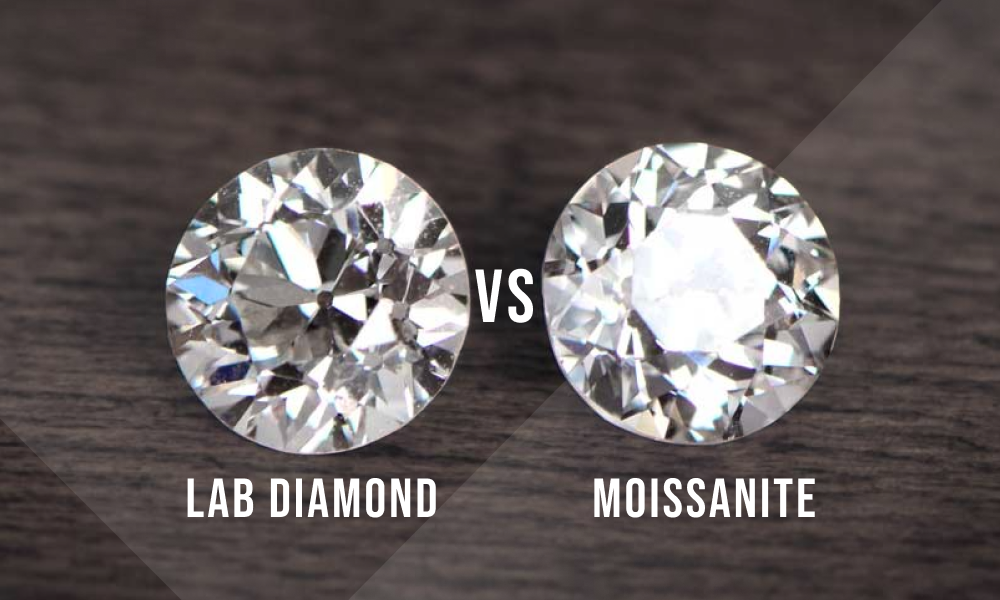


Moissanite rates 9.25 on the Mohs hardness scale, making it the second-hardest gemstone after diamond. It is one of the most scratch-resistant stones used in fine jewelry.
That rating sits just above sapphire and ruby (both 9) and just below diamond (10), which is why moissanite is widely chosen for engagement rings, chains, and other pieces meant for daily wear. Moissanite has seen a rise in popularity in the last decade, gaining recognition for its incredible beauty, brilliance, versatility, affordability, wearability, and exceptional hardness.
This blog post will cover what moissanite hardness means, where moissanite sits on the Mohs scale of hardness, what the scale actually measures, and why this matters when you are choosing jewelry made to last.
Check out the
best deals on IceCartelMoissanite Hardness in Mohs Scale: How Does It Work?
The Mohs scale is very useful in gemology because it helps identify and compare the hardness of different gemstones. Gemstones with higher hardness ratings are more durable and less prone to scratching, making them suitable for jewellery. Softer minerals become too difficult to work with, set, cut, and facet, making them unsuitable for jewellery design.
What Does Mohs Scale Measure?
Moissanite measures 9.25 on the Mohs scale of hardness, which ranks minerals from 1 to 10.
Where Does Moissanite Rank on the Mohs Scale
Learn about
Premium Vs. Super Premium MoissaniteIn order to further understand the moissanite hardness scale, here is a brief breakdown of other minerals and their scratch-resistant tendencies. The following is part of the original scale:
⛰️ The Mineral Hierarchy in Detail
From the hardest at the top to the softest at the bottom
💎 Diamond
Hardest known material
The benchmark of hardness. Diamond is famous for its scratch-resistant tendencies.
✨ Moissanite ⭐
Lab-created or natural
Almost as durable as a diamond. The hero of everyday luxury jewelry.
🔵 Corundum
Sapphire & Ruby
Part of the "Big 3" precious gemstones. Suitable for everyday wear.
🟡 Topaz
Blue, yellow, more
Ideal for setting into any fine metal as a ring, pendant, or bracelet.
🟣 Quartz
Amethyst, citrine, rose quartz
Suitable for everyday wear with light care. Avoid heavy impacts.
⚪ Orthoclase Feldspar
Moonstone variety
Popular as a decorative variety, especially moonstone.
🟠 Apatite
Phosphate mineral
Can be scratched with a knife with difficulty. Somewhat scratch-resistant.
🔷 Fluorite
Decorative stone
Easily scratched with a knife. Popular for its striking colors.
⬜ Calcite
Scratched by copper
Easily scratched with a knife, just scratched with a copper coin.
◽ Gypsum
Scratched by fingernail
Soft enough to be scratched by a fingernail.
▫ Talc
Softest mineral
The softest mineral on the scale. Rock bottom of the hardness chart.
There are many other minerals rated on the Mohs scale, depicting how well they will withstand usage, wear, or tear.
Check out IceCartel’s Custom Collection here.
What Does the Hardness of Moissanite Mean?

The 4 Benefits of Moissanite Hardness
Scratch Resistance
9.25 Mohs makes it harder than sapphire, ruby, quartz, and topaz combined.
Longevity
Made to last a lifetime. Perfect for passing down as a family heirloom.
Durability
Withstands light impacts. Resists easy chipping or breaking on daily wear.
Low Maintenance
Avoid chemicals, store separately, schedule regular cleanings. That's it.
Why Moissanite Wins as a Daily-Wear Gemstone
Daily-Wear Durability
With a 9.25 Mohs rating, moissanite shrugs off the daily contact that wears down softer stones. Strong for engagement rings, men's rings, chains, bracelets, and pendants worn often.
Brilliance & Fire
Higher refractive index than diamond returns more rainbow flashes of light.
Smarter Price
A moissanite of equivalent size and clarity costs a fraction of a comparable diamond. Put the savings toward a larger center stone or a fully iced-out custom piece.
Ethical Sourcing
Lab-created moissanite avoids the mining concerns tied to natural diamonds. Clean ethical record, eco-friendly, and socially conscious.
The Absolute Hardness of Moissanite

The high absolute hardness contributes to its desirability due to its affordability, versatility, and options for jewellery design. Its scratch-resistance to wear and tear, and low maintenance care make moissanite appealing for those who seek a sustainable, eco-friendly, and socially conscious choice.
What Does the Term 'Absolute Hardness' Mean?
The absolute rating of moissanite's hardness on the Mohs hardness scale means that it is harder than the majority of popular, common, or uncommon gemstones listed above and unique decorative materials commonly used in jewellery (plastic, glass, resin, epoxy, etc).
Is Moissanite as Hard as Diamond?
No, moissanite is not as hard as diamond. Diamond holds the perfect Mohs hardness rating of 10 and is the hardest known natural material. Moissanite rates 9.25, making it the second hardest gemstone widely used in fine jewelry.
In practical terms, this means a diamond can scratch a moissanite, but a moissanite cannot scratch a diamond. For daily wear, the difference is barely noticeable. Both stones are considered scratch-resistant enough for engagement rings, men’s rings, and other everyday pieces. Moissanite simply offers nearly the same durability at a fraction of the price.
9.25 hardness. Diamond-grade brilliance. Built for life.
SHOP ICECARTEL MOISSANITEFrequently Asked Questions
Where does moissanite fall on the Mohs hardness scale?
Moissanite rates a 9.25 on the Mohs hardness scale, a scale measuring minerals and rating them 1-10.
How does moissanite compare to diamond in terms of hardness?
Diamond is famous for its hardness, rated a 10 out of 10 on the Mohs scale. Moissanite rates a 9.25, making it almost as durable and scratch-resistant as a diamond.
Is moissanite suitable for daily wear jewelry, considering its hardness?
Moissanite's high hardness rating makes it suitable for daily wear, set into common jewellery designs such as engagement rings and men’s moissanite rings. Moissanite's durability, scratch resistance, and ability to retain its sparkle for a lifetime make it the ultimate selection for your next jewellery purchase.
Why is the hardness of a gemstone important in jewellery making?
The stone must be hard enough for jewellery making. Cutting, faceting, and shaping the stone applies pressure, along with setting the stone into any metal. Thes stone must be durable enough not to break the durability of a gemstone ensures that the gemstone jewellery withstands everyday activities without damage, making it a practical choice for an engagement ring, custom-made jewellery, or other special design.
Can the hardness impact its use in jewellery?
Moissanite's high scratch-resistant rating of 9.25 allows it to maintain its brilliance and beauty over time, even with regular use, enjoyment, wear, and travel. Moissanite can withstand daily wear and light activities, such as gentle handwashing, light working with the hands, and exercising (no weights or activities exposing the jewellery to heavy objects).
Is moissanite as hard as diamond?
No, moissanite is not as hard as diamond. Diamond has a perfect Mohs hardness rating of 10 (the hardest known natural material).
Moissanite rates 9.25–9.5, making it the second-hardest gemstone; still extremely durable and scratch-resistant for everyday jewellery like engagement rings, but a diamond can scratch it (while moissanite cannot scratch a diamond).
Final Thoughts
What makes moissanite so special? Moissanite contains a lot of unique chemical and optical properties, making it a stand-out gem compared to other diamond simulants and natural diamond alternatives. Moissanite is an affordable, high-quality, versatile, durable, socially conscious, and eco-friendly stone, making it the perfect choice for everyday wear.
Long story short, moissanite rates 9.25 on the Mohs hardness scale, making it durable and scratch-resistant to many other stones. Diamond rates 10/10 on the scale. But what about other diamond simulants? Check out our blog Moissanite vs. Diamond vs. Cubic Zirconia: A Comparison Guide for more information.