

A tennis bracelet is a flexible bracelet made of a single, continuous line of identically cut diamonds or gemstones, set close together in a thin precious-metal chain. The stones are uniform in size, shape, color, and clarity. And the bracelet sits flat against the wrist while moving naturally with it.
The true definition of this piece is timeless and elegance. It’s been a statement of pure classy taste for more than 40 years. The tennis bracelet meaning, beyond the literal design, has come to symbolize understated luxury and classic elegance; a quiet kind of status that does not need to shout. Most are set in 14K or 18K gold, platinum, or sterling silver, with stones ranging from delicate 2mm everyday styles to bold 6mm statement pieces.
In this guide, we cover the tennis bracelet history (including the Chris Evert moment that gave it the name), realistic prices, how to tell if one is real, and whether it is worth buying.
Tennis Bracelet Name Origin & History

Tennis bracelets were not always known by this modern moniker. They used to be referred to as eternity or "diamond line" bracelets. The name "Tennis" bracelet, however, has an intriguing origin that ties it to the world of professional sports.
The term originated from an incident during a tennis match in the United States in 1987. Renowned tennis player Chris Evert’s diamond bracelet accidentally snapped and fell off her wrist in the middle of play. She immediately requested that the match be paused until she found her precious piece of jewelry. The incident was widely publicized, and from that moment on, the term "tennis bracelet" was coined.
This captivating story has lent a unique charm to the piece, contributing to its widespread popularity. The tennis bracelet has become a fashionable choice for both men and women, appreciated for its timeless appearance and shiny allure.
So in short, the tennis bracelet name origin traces back to that single moment at the 1987 U.S. Open. Before then, the same style was sold as a "line bracelet" or "eternity bracelet." Chris Evert’s on-court request changed the language overnight, and the tennis bracelet history has been tied to professional sports ever since. The 1987 origin is also why most tennis bracelets are still designed with a secure double-clasp, jewelers wanted to prevent the same kind of loss that happened to Evert.
Explore our exclusive collection of Men’s Bracelets.
How Much is a Real Diamond Tennis Bracelet?
The quality, size, and overall carat weight of the diamonds used are primary determinants of the cost. Here are realistic price ranges for a 7-inch tennis bracelet by metal and stone type:
- Sterling silver with cubic zirconia: $50 to $200
- Sterling silver with moissanite: $200 to $600
- 14K gold with moissanite: $600 to $2,000
- 14K or 18K gold with lab-grown diamonds: $1,500 to $5,000
- 14K or 18K gold with natural diamonds (5-7 carat total weight): $3,000 to $15,000
- High-jewelry diamond tennis bracelets (10+ carat total weight, VVS clarity): $20,000 to $200,000+
Prices for diamond tennis bracelets generally start in the $2000 range but can escalate up to $9000 or more, especially for custom-made pieces. The total carat weight, individual stone size, clarity grade, and metal karat all stack on top of each other to determine final price. A bracelet with smaller stones at higher clarity will often cost more than one with larger stones at lower clarity, quality of the diamond outranks size in pricing.
Why Are Tennis Bracelets So Expensive?
Tennis bracelets are expensive due to several intertwined factors. Typically made from precious metals like gold, 925 silver or platinum and adorned with high-quality diamonds or gemstones, the materials themselves are costly. The labor-intensive process of crafting requires skilled artisans to cut, shape, and set each stone meticulously, adding to the overall price. The design's complexity, involving a continuous line of identical gemstones all matched in size, shape, color, and clarity, requires additional time and expertise. Renowned brands may command higher prices for their reputation for quality and exclusivity, and attributes like the diamonds' cut, color, clarity, and carat weight can further elevate the cost. Custom-designed pieces may also carry a premium price. The cumulative result of these factors makes tennis bracelets a symbol of elegance and refinement, but also a costly investment.
Are Tennis Bracelets Worth It?
For most buyers, yes. A tennis bracelet is one of the few jewelry pieces that genuinely works across casual outfits, formal events, and everyday wear without looking out of place. It also retains value better than most fashion jewelry because the diamonds or moissanite stones plus the precious-metal chain hold inherent worth.
A few things to weigh before buying:
- Versatility: A tennis bracelet pairs with almost anything, from a t-shirt to a tailored suit to an evening dress.
- Durability: Built to last decades when set in solid gold or platinum and properly maintained.
- Resale and heirloom value: Solid gold tennis bracelets with quality stones hold their value well; many become passed-down family pieces.
- Budget alternative: A moissanite tennis bracelet looks visually identical to a diamond version at roughly 10-15% of the price, making it the smart pick for most buyers.
How to Tell If a Tennis Bracelet Is Real
There are five quick checks to verify a tennis bracelet is genuine:
- Look for the metal stamp. Real tennis bracelets in solid gold or silver are stamped 10K, 14K, 18K, 24K, 925 (sterling silver), or PT (platinum), usually near the clasp.
- Check the diamond grading certificate. Genuine diamond tennis bracelets come with a GIA, IGI, or AGS certificate documenting the stones’ 4Cs (cut, color, clarity, carat).
- Test stone hardness. Real diamonds and moissanite both scratch glass cleanly. Cubic zirconia and crystal will not.
- Examine the prong setting. Quality bracelets have evenly spaced prongs holding each stone, with no glue residue or visible adhesive.
- Check the clasp and double-safety. Genuine tennis bracelets almost always include a secure box clasp plus a figure-8 or hinge safety latch — a direct legacy of the Chris Evert moment that gave the style its name.
If a "diamond tennis bracelet" is being sold for under $200 and has no certificate, it is almost certainly cubic zirconia or a different lab-created simulant; not a genuine diamond piece. That does not make it bad jewelry, but it should not be priced or sold as a real diamond bracelet.
How to Wear a Tennis Bracelet?
Wearing a tennis bracelet can add elegance and style to any look. For a sophisticated appearance, you can wear the tennis bracelet on its own, letting the continuous line of gemstones shine as the focal point. If you prefer a more intricate and fashionable statement, pair it with other complementary bracelets or a watch for a layered look.
The fit should be just right, loose enough to move slightly on the wrist but not so loose that it risks sliding off. Whether for formal occasions or casual settings, the timeless design of a tennis bracelet allows for versatility. Don't be afraid to make it your own and wear it in a way that complements your personal style.
Moissanite Tennis Bracelets: Diamond Alternative

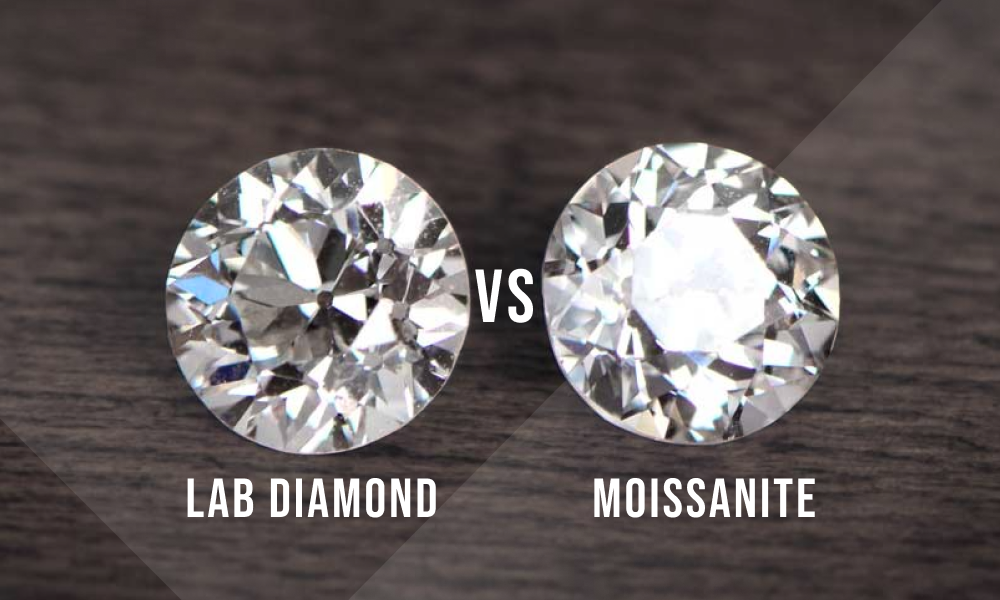
Moissanite tennis bracelets present a dazzling and affordable alternative to traditional diamond tennis bracelets. Known for its brilliance and durability, moissanite offers a similarity to diamonds that is striking, yet at a fraction of the cost.
Made from silicon carbide, moissanite possesses fire and sparkle that often surpasses that of a diamond. It's an ethical and environmentally friendly choice, as no mining is involved in its creation. Whether you prefer classic or contemporary styles, moissanite tennis bracelets provide the elegance and allure that tennis bracelets are celebrated for.
Learn more about the differences between the moissanite and the diamond!
For those interested in embracing this beautiful gemstone, Icecartel offers a wide variety of moissanite tennis bracelets. Their collection ensures quality craftsmanship and the timeless design that allows wearers to enjoy the luxury appearance without the high-end price tag.
Frequently Asked Questions
Why is it called a tennis bracelet?
It is called a tennis bracelet because of an incident at the 1987 U.S. Open, when professional tennis player Chris Evert’s diamond bracelet snapped mid-match. She paused the game to find it, and after extensive media coverage the public started calling that style of bracelet a "tennis bracelet."
What is the meaning behind a tennis bracelet?
Beyond the literal design, the meaning behind a tennis bracelet is one of understated luxury and classic elegance. It is often given as a milestone gift because the continuous unbroken line of stones symbolizes continuity, lasting commitment, and timeless beauty.
Are tennis bracelets unisex?
Yes, tennis bracelets are unisex. Men typically wear thicker tennis bracelets with larger 4mm-6mm stones in a 7.5-9 inch length, while women often go for thinner 2mm-4mm stones in a 6.5-7.5 inch length. Both look equally sharp.
How do you wear a tennis bracelet with a watch?
Wear the tennis bracelet on the same wrist as your watch, sitting just below the watch face on the lower part of the wrist. Make sure the bracelet is loose enough to move slightly but not so loose that it slides over the watch case.
How much is a tennis bracelet?
Tennis bracelet prices range from about $50 for sterling silver with cubic zirconia to over $200,000 for high-jewelry diamond pieces. The most common price points are $200-$600 for sterling silver moissanite, $600-$2,000 for 14K gold moissanite, and $3,000-$15,000 for 14K-18K gold with natural diamonds.